Tech Meetup Innsbruck Engineering Kiosk Alps
Meetup Innsbruck
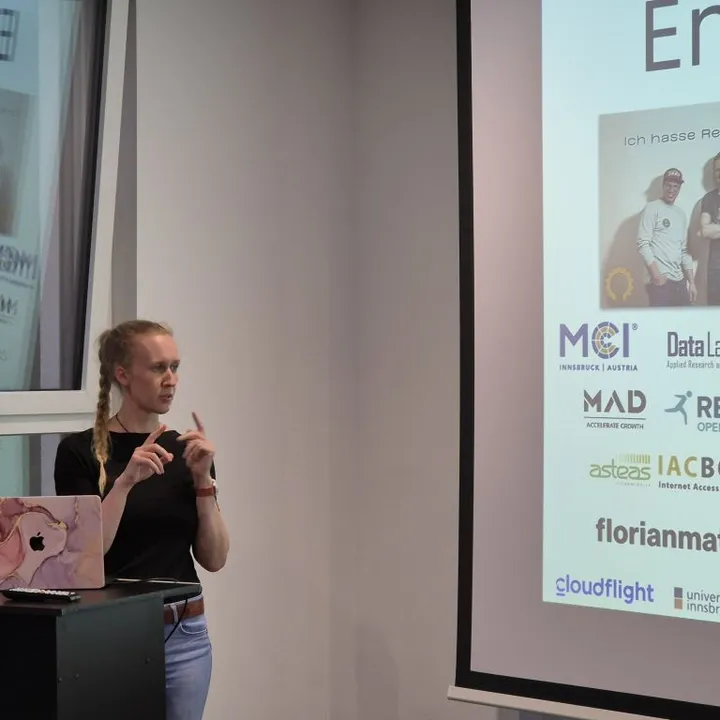
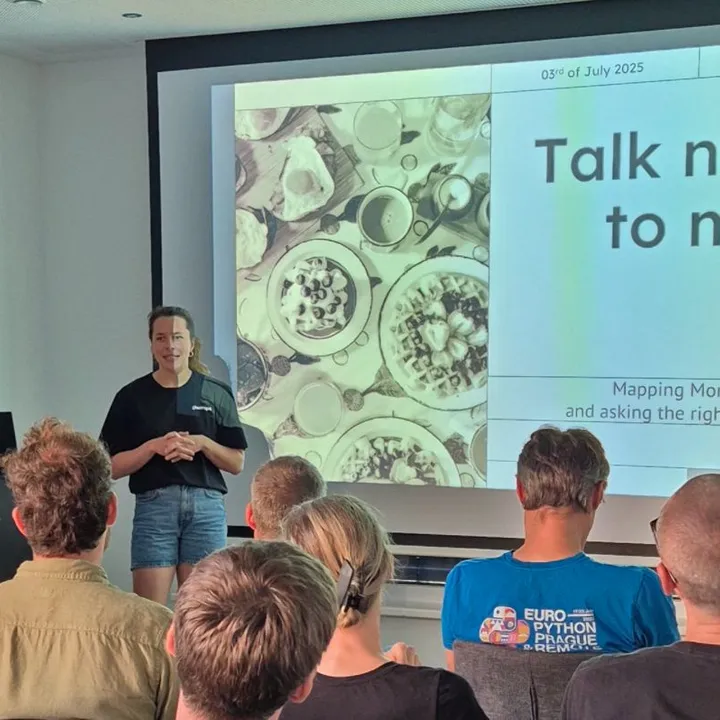
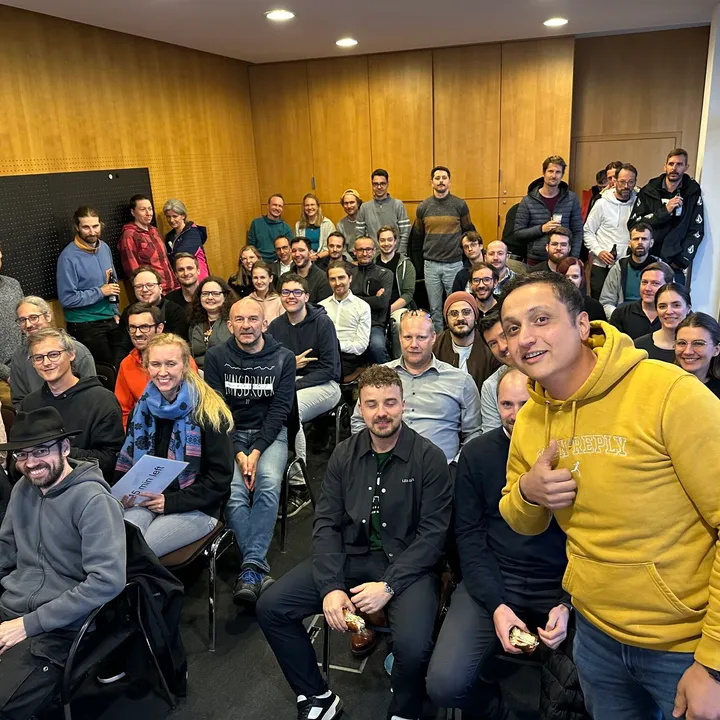
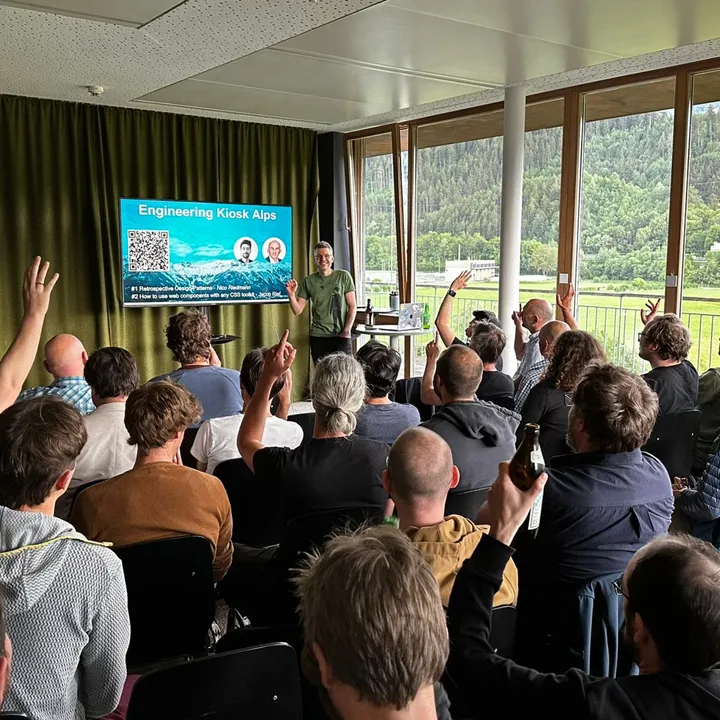
Join us at Engineering Kiosk Alps, a dynamic tech meetup happening in the heart of the Alps, in Innsbruck! This event brings together tech enthusiasts, engineers, and professionals from various fields to explore the intersection of engineering culture, open source, people and technology.
Next Meetup @ 
📅 Date May 7, 2026 - open doors at 18:30 (talks start ~30min later)



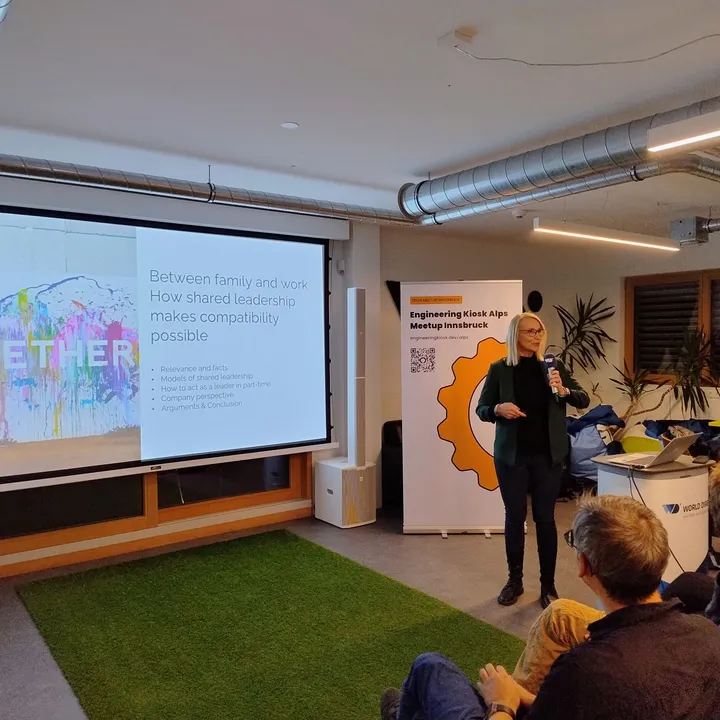
7 May 2026 @ 
Join the next meetup and listen to the following talks. All talks and the meetup are in English.

Database Storage Engines - A Deep Dive
Martin HäuslerAbout the Talk
Most programmers have used a database at some point in their career. And while there's a lot of talk about features and languages and the differences between SQL and NoSQL, few people know what actually happens inside those databases. In this talk, we will peel off some of the outer layers and take a deeper look into database internals and their storage engines, exploring the concepts in an intuitive way. The goal is to provide the audience with a better understanding of databases in general to help them make better choices for their own projects and to explain why the next shiny NoSQL database that arrives may in fact not be as unique as it may seem at first glance.
About the Speaker
Martin Häusler completed his PhD in Computer Science in 2018 in the area of data modeling, versioning and databases. In 2014, he joined a research project which would later become the Txture company which was acquired by IBM in 2025. Today, he works at IBM as a Consulting Architect while remaining true to his roots as a technology-oriented person. His favorite topics include databases, programming languages (in particular Kotlin and Rust), game development (Godot), gaming in general and Dungeons & Dragons.


Revisiting Analytical Storage with DuckLake: A Simpler Take on the Lakehouse
Leonardo PedriAbout the Talk
Over the years, analytical data systems have evolved from data warehouses to data lakes and, eventually, lakehouses. Along the way, they gained powerful features, but also increasing complexity. For many teams, this creates an awkward choice. You can keep things simple with Postgres, but miss out on features like snapshots, schema evolution, and time travel. Or you can adopt a modern lakehouse stack, only to discover that it comes with catalogs, metadata layers, and enough moving parts to feel like a platform project in its own right. But what if there was a middle ground? In this talk, we’ll take a look at DuckLake, a new format released in 2025 by the DuckDB team, that tries to simplify the lakehouse architecture by treating metadata as a database problem. The goal is to keep the useful parts of modern analytical systems while making them easier to understand, operate, and grow with from local development on a laptop all the way to large-scale cloud workloads. We’ll explore how DuckLake works, what trade-offs come with adopting this new approach, and whether it can really provide a simpler path between “just use Postgres” and running a full-blown lakehouse platform.
About the Speaker
Leonardo Pedri holds a Master’s degree in Chemistry and also studied Computer Science alongside his main field. He spent three years working in a computational chemistry research group, where he conducted research for pharmaceutical companies using high-performance computing systems and large-scale data analysis. He currently works at Innerspace as a data engineer, focusing on data systems for risk management in pharmaceutical manufacturing.

Please, let us know that you are coming
It is free and you can cancel your registration at any time.
We'll also send you an ics-event file, so you can add the event to your calendar. If you can't make it, please cancel your registration by declining the event in your calendar.
Next meetup:
📅 May 7, 2026 - open doors at 18:30 (talks start ~30min later)

Interested in upcoming meetups?
Register to our Engineering Kiosk Alps newsletter and receive emails about upcoming meetups.
No worries, we won't spam you and you can unsubscribe at any time.
Upcoming tentative meetups:
May 7, 2026
June 11, 2026
July 2, 2026
August 6, 2026
September 24, 2026
October 22, 2026
November 19, 2026
December 10, 2026
Please register to the Newsletter to get notified when the talk dates get fixed, as those are preliminary.
Join the discussion
Join our Engineering Kiosk Alps Discord channel in our Engineering Kiosk Community full of developers and tech enthusiasts.
Join Discord channel
Our Supporters
Our locations partners have been instrumental in helping us build a community of tech people in Tyrol.
We are grateful for their support!














Team Engineering Kiosk Alps
The organizers of Engineering Kiosk Alps Innsbruck.
Feel free to drop us a message.